
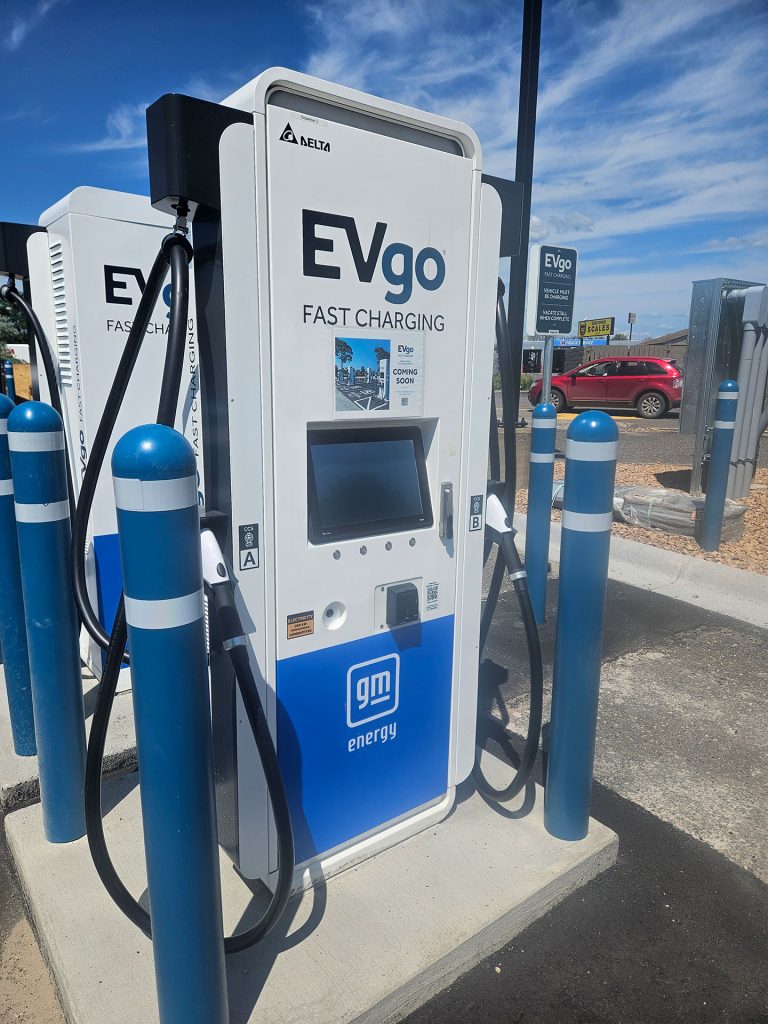
Electric vehicles aren’t coming to Minnesota, they’re already here. EV registrations continue to grow in the Twin Cities, and those drivers make purchasing decisions based on one simple question: “Can I charge there?”
If your answer is no, you’re losing customers to competitors who invested in EV charging station installation for businesses.
This infrastructure isn’t just about being eco-friendly. It’s about revenue, recruitment, and staying relevant. Here’s what you need to know.
What Is EV Charging Station Installation for Businesses?
EV charging station installation for businesses involves assessing electrical capacity, selecting commercial-grade charging equipment, and installing compliant infrastructure that allows customers or employees to charge electric vehicles on-site. For Minnesota businesses, this often includes weather-rated equipment, load management, and permitting coordination.
Why Minnesota Businesses are Installing EV Charging
Electric vehicle adoption accelerates year after year throughout Minnesota and the Twin Cities metro area. As EV ownership grows, businesses face increasing pressure to provide charging access.
Customer Attraction and Retention
Retail businesses, restaurants, hotels, and entertainment venues use charging stations to attract customers who spend 30-60 minutes on-site while their vehicles charge. This dwell time translates to increased sales and repeat visits from EV-driving customers who choose locations based on charging availability.
Employee Recruitment and Satisfaction
Workplace charging ranks high among benefits EV-driving employees value. Businesses offering charging stations gain competitive advantages in recruiting and retaining talent, particularly in tight labor markets. Employees appreciate the convenience of arriving with a full charge each day.
Revenue Generation Potential
Networked charging systems enable businesses to charge usage fees, creating new revenue streams. Some Minnesota businesses position themselves as destination charging locations, generating income while customers shop, dine, or conduct business.
Sustainability Leadership
Installing EV charging demonstrates environmental commitment that resonates with customers, employees, and community stakeholders. This visible sustainability investment enhances your brand reputation and supports corporate environmental goals.
Understanding Charging Levels and Business Applications
Not all charging stations serve the same purpose. Matching the right charging level to your business needs ensures optimal investment returns.
Level 2 Charging for Most Business Applications
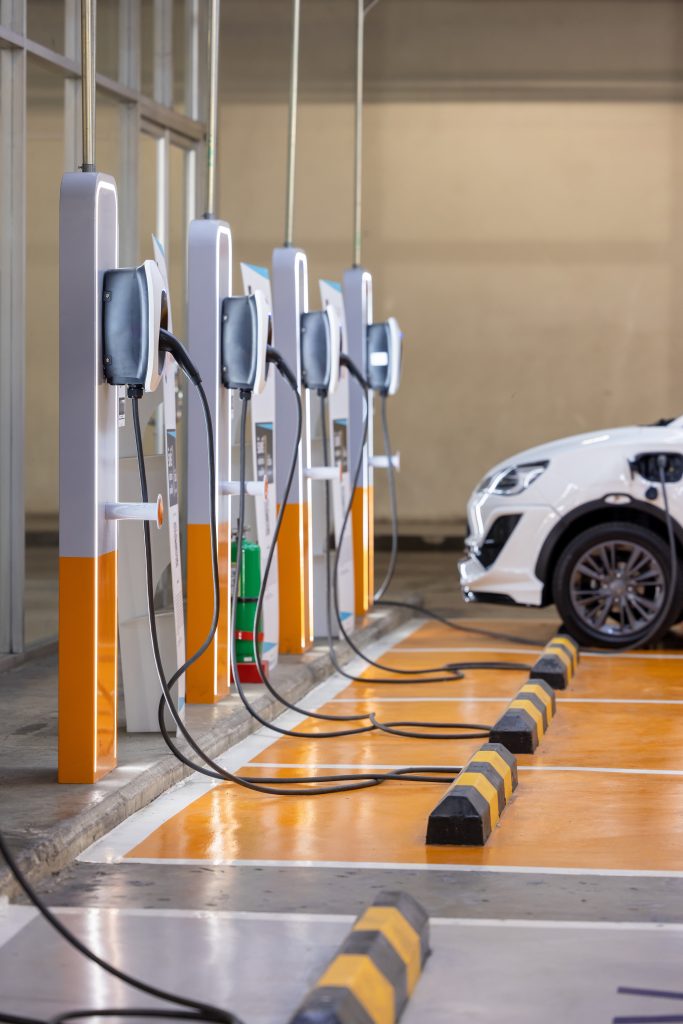
Level 2 stations using 208V to 480V connections represent the sweet spot for most businesses. They provide practical charging speeds—typically adding 20-30 miles of range per hour—while remaining cost-effective to install and operate.
These stations work well for workplaces where vehicles park for several hours, retail locations with moderate dwell times, multi-unit residential properties, and municipal parking facilities.
DC Fast Charging for High-Traffic Locations
Level 3 DC fast charging delivers rapid charging that adds 100+ miles of range in 20-30 minutes. This speed suits highway corridors, convenience stores, quick-service restaurants, and fleet operations requiring minimal downtime.
Fast charging installations require more robust electrical infrastructure and higher upfront investment, but they serve customers needing quick turnarounds rather than destination charging.
Fleet Charging Solutions
Businesses operating electric vehicle fleets need scalable charging infrastructure that grows with fleet expansion. Fleet installations require careful planning around vehicle schedules, charging cycles, and electrical capacity to ensure all vehicles charge efficiently without overloading your system.
Electrical Infrastructure Considerations
Installing EV charging stations impacts your property’s electrical system significantly. Professional assessment and planning prevent costly problems.
Electrical Capacity Assessment
We calculate your building’s total load to ensure the electrical panel can support the new charging demand. Our team identifies any necessary panel upgrades or service increases during our initial visit. This proactive step ensures your installation is safe and prevents unexpected power failures.
Smart Load Management
Power Balancing: This technology shares available electricity across multiple stations to prevent system overloads.
Cost Savings: Smart systems shift charging to off-peak hours when electricity rates are lower.
Efficiency: You can charge more vehicles simultaneously without expensive infrastructure overhauls.
Weatherproofing for Minnesota Climate
Minnesota’s extreme temperature swings, from sub-zero winters to hot summers, require durable, weatherproof installations. Proper equipment selection and installation techniques ensure reliable year-round operation despite harsh conditions.
Choosing the Right Charging System
Your business goals determine which charging system features matter most.
Networked vs. Non-Networked Stations
- Networked Chargers: These connect to the cloud for remote monitoring, usage tracking, and payment processing. They are the best choice for businesses that want to charge for electricity or need detailed data.
- Non-Networked Chargers: These are simpler units with no remote features. They work perfectly for businesses offering free charging to employees or customers without the need for tracking.
Payment Integration Options
If you plan to charge usage fees, integrated payment systems streamline transactions. Options include credit card readers, mobile app payments, or membership-based access. Choosing the right payment model depends on your target users and desired revenue approach.
Multi-Brand Compatibility
Holton Electric works with all major EVSE manufacturers, giving you flexibility to select systems that match your budget, features, and aesthetic preferences without installation limitations.
Installation Process and Timeline
Professional EV charging installation follows a structured process ensuring code compliance and optimal performance.
Custom Design: We evaluate your electrical setup and usage to create a plan for placement, necessary upgrades, and trenching.
Permits and Inspections: As licensed Minnesota contractors, we manage all applications and coordinate inspections to ensure your system is up to code.
Installation and Testing: Our team looks after panel modifications, wiring, and mounting, followed by thorough testing to confirm everything works perfectly.
Project Timelines: Most single-station setups take a few days, while larger commercial projects or electrical service upgrades may take several weeks.
Ongoing Maintenance and Support
EV charging stations require minimal maintenance, but professional support ensures continued reliability.
Regular maintenance includes visual inspections, connector and cable checks, software updates for networked systems, and cleaning and weatherproofing verification.
Holton Electric provides ongoing maintenance and technical support, addressing issues quickly to minimize downtime. As technology advances, we offer upgrade services ensuring your charging infrastructure remains current and valuable.
Making Your Business EV-Ready
Installing EV charging represents a forward-thinking investment in your business infrastructure. As EV adoption grows in Minnesota, offering charging stations helps businesses attract customers, keep employees happy, and even generate new revenue.
We bring decades of commercial electrical expertise to EV charging station installations throughout the Twin Cities metro area.
Schedule an on-site electrical assessment for your Minnesota business to determine charging capacity, costs, and installation timeline.