
Industrial facilities depend on complex electrical systems to power machinery, lighting, climate control, and critical operations. While these systems keep your business running, they also present significant safety risks when not properly maintained or designed.
Knowing the top electrical safety risks in industrial facilities helps you protect your employees, prevent costly downtime, and maintain compliance with safety regulations.
We’ve spent decades working with industrial clients throughout Minnesota, including the greater Minneapolis and St. Paul metro area. Our experience has shown us that most electrical incidents are preventable when you know what to watch for and take proactive steps to address potential hazards.
Outdated or Overloaded Electrical Systems
Many industrial workplaces operate with electrical systems that were designed for different production demands. As your operations grow and equipment is added, your electrical infrastructure can become strained beyond its original capacity.
Overloaded circuits create serious fire hazards and equipment damage risks. When electrical infrastructure consistently operate at or near capacity, components overheat, insulation breaks down, and the likelihood of failure increases dramatically.
Warning Signs of Overloaded Systems
- Frequent circuit breaker trips
- Flickering lights during equipment startup
- Burning smells near electrical panels
- Warm or discolored outlets and switches
- Equipment that underperforms or malfunctions
If you’re experiencing any of these issues, your power equipment needs a professional assessment. Upgrading your infrastructure to match current demands prevents dangerous situations and improves operational efficiency.
Inadequate Grounding and Bonding
Proper grounding and bonding protect both your equipment and your people from electrical faults. When electrical systems aren’t correctly grounded, fault currents have no safe path to follow, creating shock hazards and increasing the risk of electrical fires.
Industrial environments with metal structures, piping, and equipment require particular attention to grounding. Any conductive surface that could become energized during a fault must be properly bonded and grounded to ensure safety.
Regular inspections of your grounding systems help identify corroded connections, loose bonds, or missing ground paths that compromise protection. These issues often develop gradually, making routine maintenance essential for ongoing safety.
Arc Flash Hazards
Arc flash incidents are among the most dangerous electrical hazards in industrial settings. When electrical energy releases through the air between conductors, it creates an explosive event that produces intense heat, bright light, pressure waves, and flying debris.
Workers performing maintenance on energized equipment face the greatest risk. Even routine tasks like opening panels, taking readings, or resetting breakers can trigger arc flash events if proper precautions aren’t followed.
Reducing Arc Flash Risks
- Conduct arc flash hazard analysis for your facility
- Label equipment with arc flash boundary information
- Provide appropriate personal protective equipment
- Train workers on arc flash hazards and safety procedures
- De-energize equipment whenever possible before work begins
Many facilities underestimate arc flash risks because incidents are relatively rare. However, when they do occur, the consequences can be devastating. Prevention requires both proper equipment design and strict adherence to safety protocols.
Poor Maintenance Practices
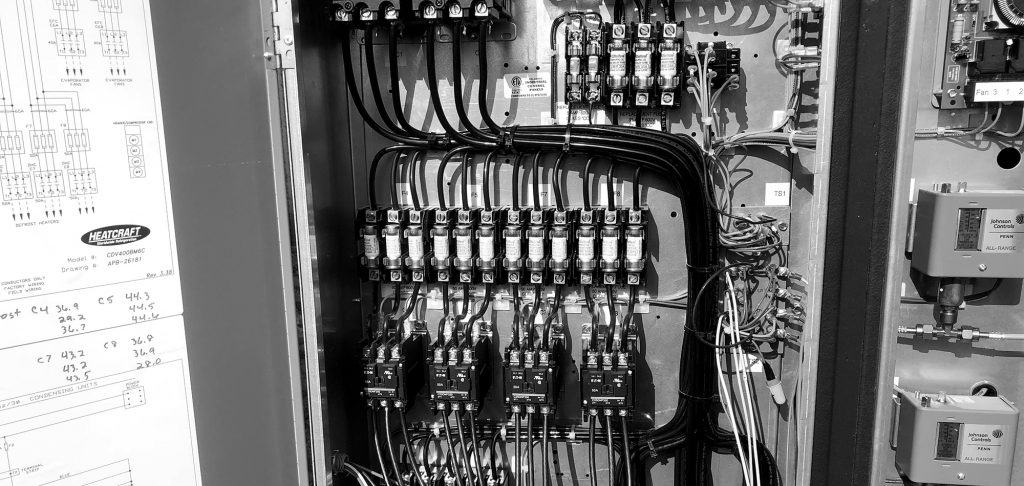
Electrical equipment require regular maintenance to operate safely. Dust accumulation, loose connections, worn components, and environmental factors all contribute to gradual system degradation that increases risk over time.
Some industrial factories operate on reactive maintenance schedules, addressing problems only after they cause failures. This approach leaves hazards undetected until they create dangerous situations or costly downtime.
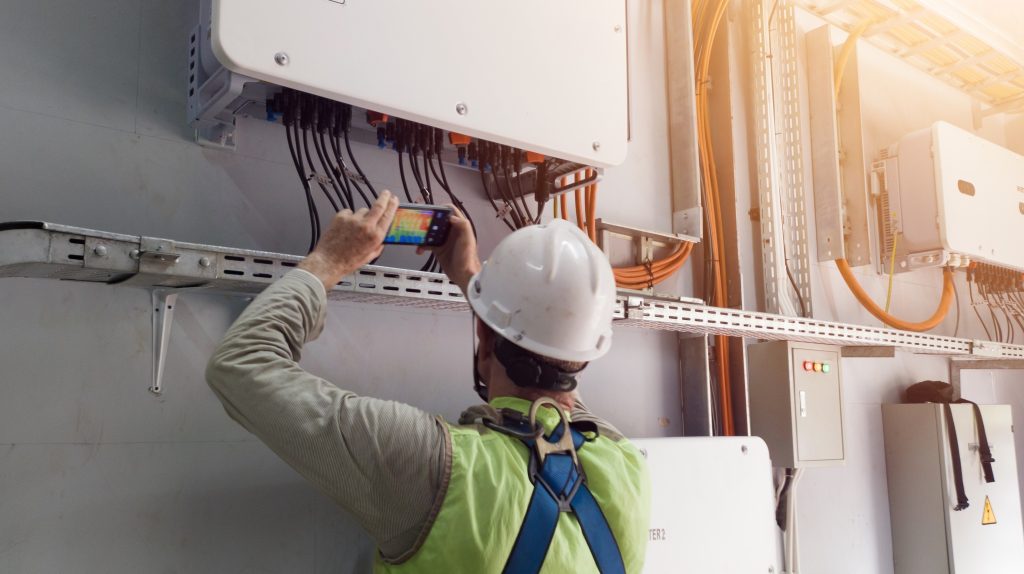
Preventive maintenance programs identify issues before they become emergencies. Regular inspections, thermal imaging, and testing reveal problems like overheating connections, insulation breakdown, and component wear that pose safety risks.
Inadequate Lockout/Tagout Procedures
Lockout/tagout (LOTO) procedures protect workers performing maintenance on electrical systems by ensuring equipment cannot be accidentally energized. Despite clear regulations, inadequate LOTO practices remain a leading cause of electrical injuries in industrial settings.
Effective lockout/tagout requires more than just procedures on paper. Your team needs proper training, equipment-specific protocols, and a culture that prioritizes safety over convenience. Every piece of equipment should have clearly documented lockout procedures that workers can access and follow.
Common LOTO failures include incomplete energy isolation, missing locks or tags, and workers who bypass procedures to save time. These shortcuts put lives at risk and expose your facility to serious liability.
Environmental Factors and Exposure
Industrial environments expose electrical systems to moisture, dust, chemicals, vibration, and temperature extremes that accelerate degradation. Equipment rated for standard conditions may fail prematurely or create hazards when subjected to harsh industrial environments.
Moisture intrusion into electrical enclosures creates shock hazards and corrosion that compromise system integrity. Dust accumulation on electrical components can lead to tracking, overheating, and fires. Chemical exposure degrades insulation and connections.
Selecting equipment with appropriate environmental ratings and providing adequate protection prevents these issues. Regular cleaning and inspection ensure environmental factors haven’t compromised safety features.
Insufficient Training and Awareness
Even the best electrical systems become dangerous when workers lack proper training. Employees need to understand basic electrical safety, recognize hazards, and know when to call qualified electricians rather than attempting repairs themselves.
Many industrial incidents occur because workers don’t recognize dangerous situations or underestimate risks. Comprehensive safety training, regular refreshers, and clear communication about electrical hazards create a culture where safety comes first.
Your training program should cover:
- Recognizing electrical hazards
- Understanding warning labels
- Following lockout/tagout procedures
- Knowing emergency response protocols
Everyone who works near electrical equipment needs this knowledge, not just maintenance staff.
Be Proactive With Your Electrical Safety Solutions
Electrical safety risks in industrial facilities require expert attention and ongoing maintenance. Holton Electric helps Minnesota businesses throughout the Twin Cities Metro area identify hazards before they become costly incidents.
Our comprehensive electrical safety assessments evaluate your systems for overloaded circuits, grounding issues, arc flash risks, and environmental factors that compromise safety.
Our clients value how we anticipate issues others miss, know their buildings and systems like our own, and work as an extension of their team. Whether you need system upgrades, preventive maintenance programs, or compliance support, we deliver custom solutions that protect your operations and your people.
Don’t wait for an electrical incident to reveal safety gaps in your facility. Contact us today to schedule your electrical safety assessment.