
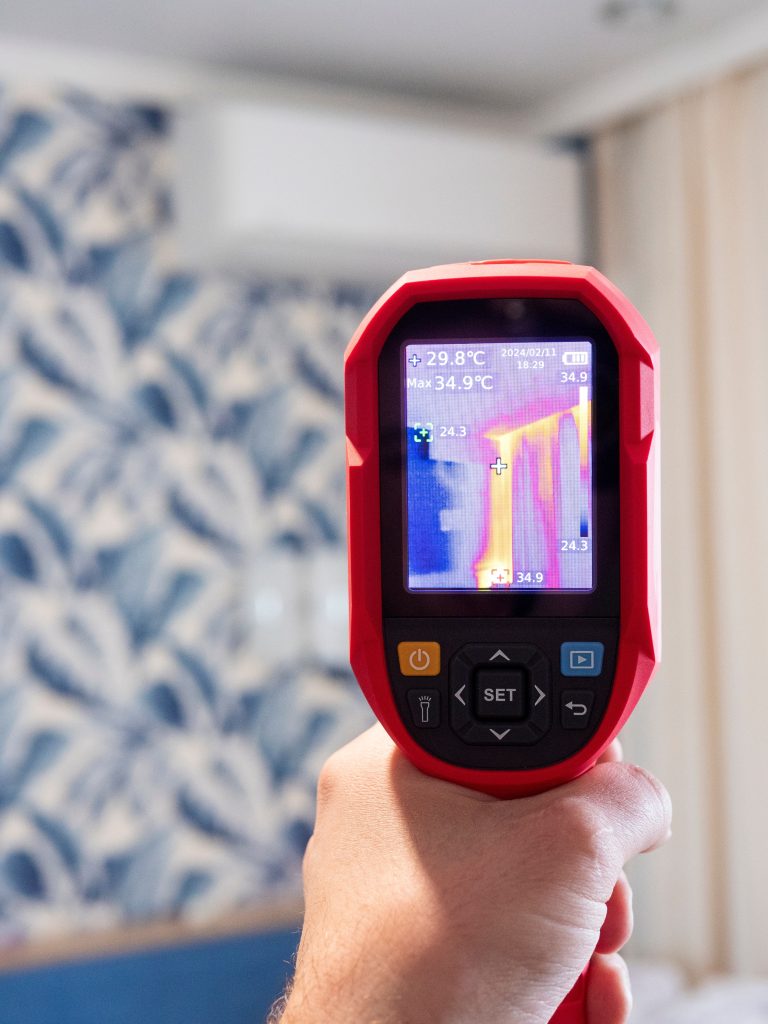
Your electrical panel may look perfectly normal on the outside. Clean, organized, nothing obviously wrong. Yet inside, a loose connection could be generating excess heat, slowly degrading insulation, and pushing your system toward a costly failure.
Traditional visual inspections miss these hidden problems. What infrared thermal imaging detects in electrical systems often reveals trouble long before a failure occurs.
For Minnesota businesses, schools, and industrial facilities, reliable power is essential. Infrared thermal imaging gives you a proactive way to spot trouble early and protect both operations and equipment. Here is what this technology can reveal inside your electrical systems.
Overheating Electrical Connections and Terminations
Loose or corroded electrical connections represent one of the most common and dangerous electrical problems. These faulty connections create resistance that generates excessive heat, which thermal imaging cameras detect instantly.
What thermal imaging reveals about connections:
- Loose terminals in panels and switchgear
- Corroded wire connections causing resistance
- Improperly torqued electrical connections
- Failed breaker and disconnect connection points
- Degraded bus bar connections in distribution equipment
Normal electrical connections maintain temperatures similar to surrounding components. When thermal imaging shows a connection glowing significantly hotter than nearby areas, it indicates a problem requiring immediate attention.
Left unaddressed, these hot spots lead to insulation failure, arcing, and potential electrical fires.
In Minnesota’s manufacturing facilities, warehouses, and commercial buildings, connection problems often develop gradually as equipment ages or environmental conditions cause corrosion. Regular thermal imaging identifies these issues during early stages when simple repairs prevent major failures.
Unbalanced Electrical Loads Across Phases
Three-phase electrical systems should distribute loads relatively evenly across all three phases. When loads become significantly unbalanced, certain conductors and components overheat while others remain underutilized.
Thermal imaging detects load imbalances through:
- Temperature differences between phases
- Overheated neutral conductors
- Single phases running too hot
- Uneven heating at transformer connections
- Hot spots from unbalanced panel loads
Load imbalances reduce system efficiency, increase energy costs, and accelerate component wear. Thermal imaging provides visual proof of these conditions, allowing electricians to redistribute loads appropriately or upgrade systems to handle actual demand patterns.
For Twin Cities businesses managing production lines or educational institutions with varying classroom loads, thermal imaging reveals whether electrical distribution matches actual usage patterns or requires modification.
Failing or Overloaded Circuit Breakers
Circuit breakers protect electrical systems by interrupting current flow during overload or fault conditions. However, breakers themselves can fail or operate outside normal parameters, creating safety hazards.
What thermal imaging reveals about circuit breakers:
- Breakers running hotter than rated
- Worn contacts increase resistance
- Overloaded breakers near capacity
- Failed breakers losing protection
- Panel hot spots from multiple breakers
Modern thermal imaging cameras detect temperature differences as small as a fraction of a degree, identifying breaker problems long before they cause nuisance tripping or fail to protect circuits during actual overload conditions.
In commercial and industrial settings throughout Minnesota, breaker failures often occur in older panels or in circuits serving equipment with changed load characteristics since original installation.
Motor and Equipment Issues Infrared Thermal Imaging Detects
Electrical motors drive countless processes in manufacturing, HVAC systems, production equipment, and facility operations. Thermal imaging identifies electrical problems affecting motor performance and longevity.
Motor-related issues thermal imaging detects:
- Overheating motor windings indicating pending failure
- Unbalanced power supply creating uneven motor heating
- Failed motor starter contacts generating excessive heat
- Worn motor bearings creating friction and elevated temperatures
- Control circuit problems in motor control centers
Detecting motor electrical issues early prevents unexpected equipment failures that halt production or disable critical building systems. Planned motor repairs or replacements cost significantly less than emergency failures requiring overtime labor and rush equipment delivery.
Capacitor Bank and Power Factor Correction Problems
Many Minnesota industrial and commercial facilities use capacitor banks to improve power factor and reduce demand charges on utility bills. Thermal imaging identifies capacitor problems before they fail or reduce power factor correction.
Capacitor issues revealed through thermal imaging:
- Capacitors running hotter than others
- Failed units not correcting power factor
- Connection issues in switching equipment
- Overheated contactor coils
- Imbalanced capacitor banks
Holton Electric helps Minnesota businesses reduce energy demand charges through properly functioning capacitor banks. Thermal imaging ensures these systems operate efficiently and identifies problems requiring attention.
Transformer Hot Spots and Overloading
Transformers step up or down the voltage for various facility needs. These critical components develop problems that thermal imaging detects before catastrophic failure.
Transformer problems thermal imaging reveals:
- Overheated transformer windings
- Hot spots at connections and terminations
- Cooling system failures raising temperatures
- Internal winding hot spots
- Tap changer overheating issues
Transformer failures cause extended downtime and expensive emergency replacements. Thermal imaging provides a warning, allowing planned maintenance or replacement during scheduled downtime.
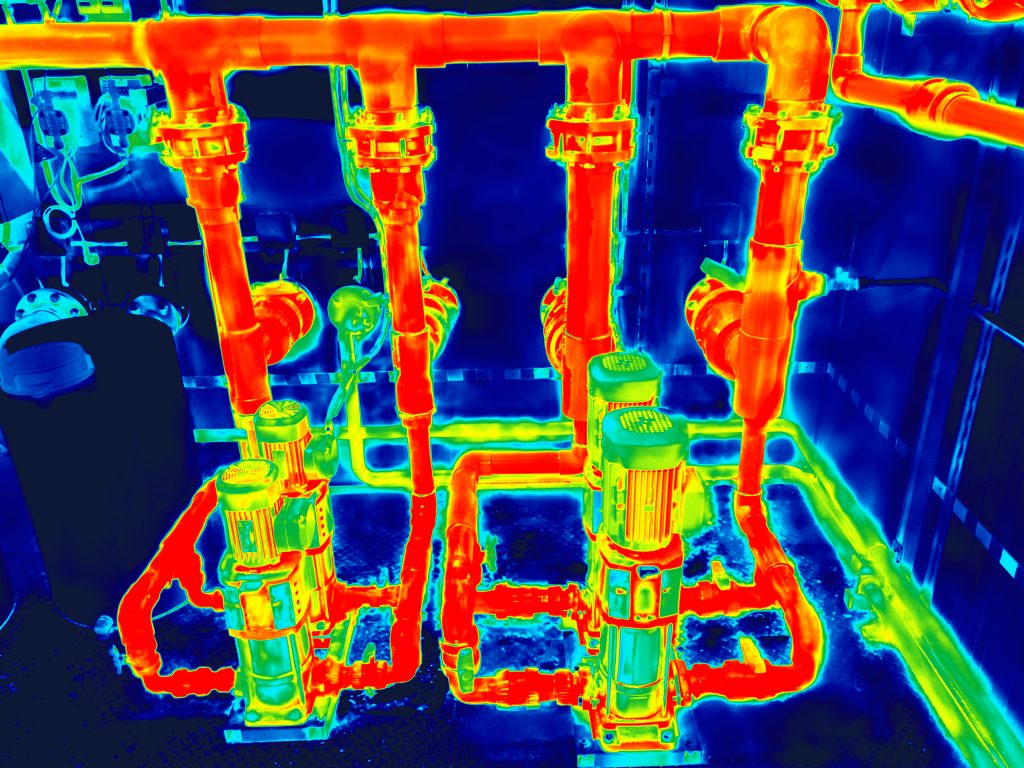
Panel and Switchgear Problems Detected by Infrared Thermal Imaging
Electrical panels and switchgear house numerous components that can develop problems invisible during standard visual inspections.
What thermal scans detect inside electrical equipment:
- Bus bar hot spots from poor connections
- Failed switchgear components
- Airflow issues causing heat buildup
- Deteriorating insulation
- Ground faults causing abnormal heating
Our infrared thermal imaging services throughout Minnesota help businesses identify these hidden problems, ensuring electrical systems operate safely and reliably.
Schedule Infrared Thermal Imaging Services in Minnesota
As a premier commercial and industrial electrical contracting company in Minnesota, Holton Electric combines advanced thermal imaging technology with decades of electrical expertise.
Our state-of-the-art infrared scanning technology helps organizations take proactive approaches to electrical maintenance, reducing risks and ensuring regulatory compliance.
Contact Holton Electric today to schedule thermal imaging services that protect your operations, improve safety, and prevent costly electrical failures.